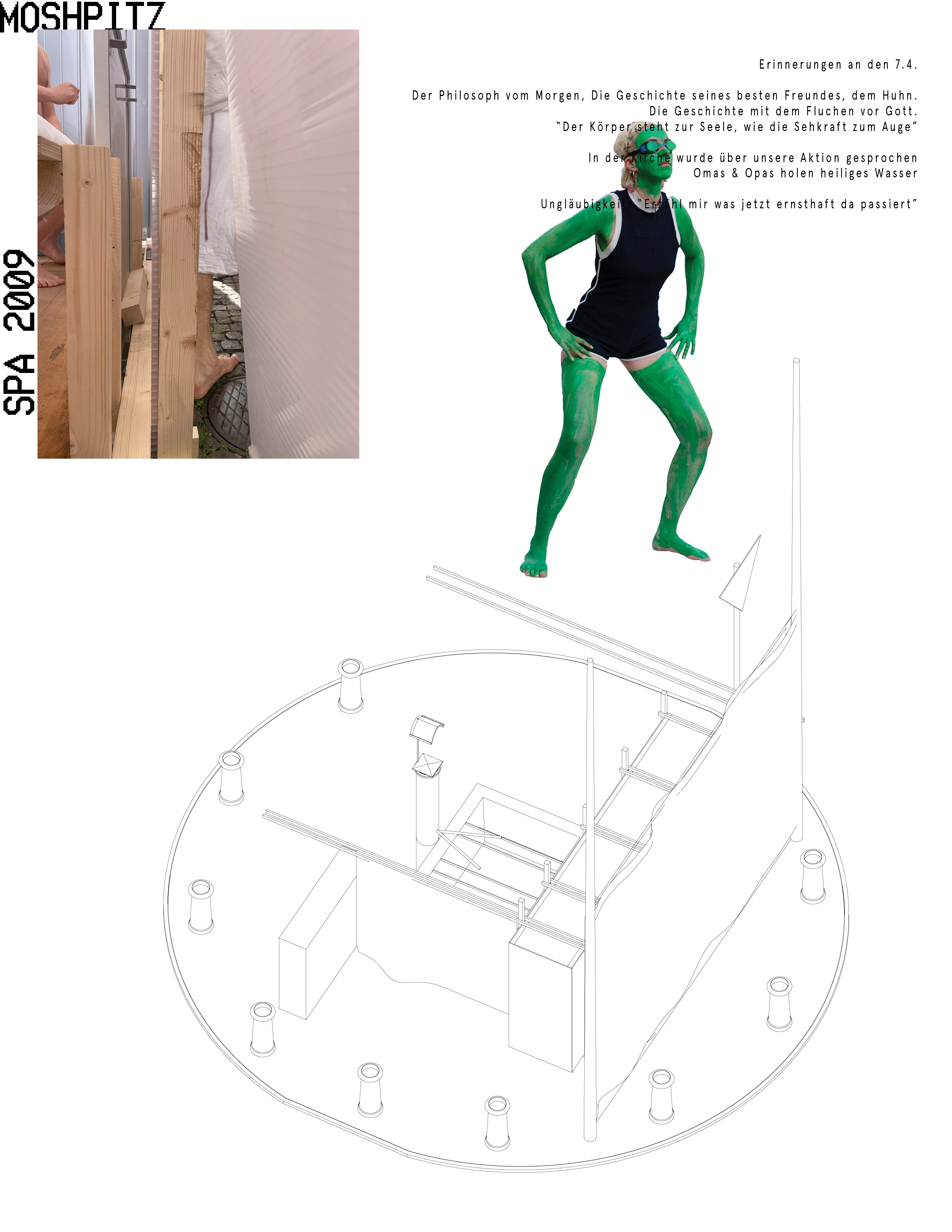
Urban space rarely offers stability or security; it is shaped by uncertainty, challenges, and social pressure. Yet these very phenomena of instability can also generate transformative, liberating, and emancipatory potentials. It is the uncertainties, disruptions, inconsistencies, and blind spots that make the city what it is—turning urban space into lived space. Moshpits positions itself as a tool to articulate this space as a social, cultural, and political ideal and to make the unstable visible.
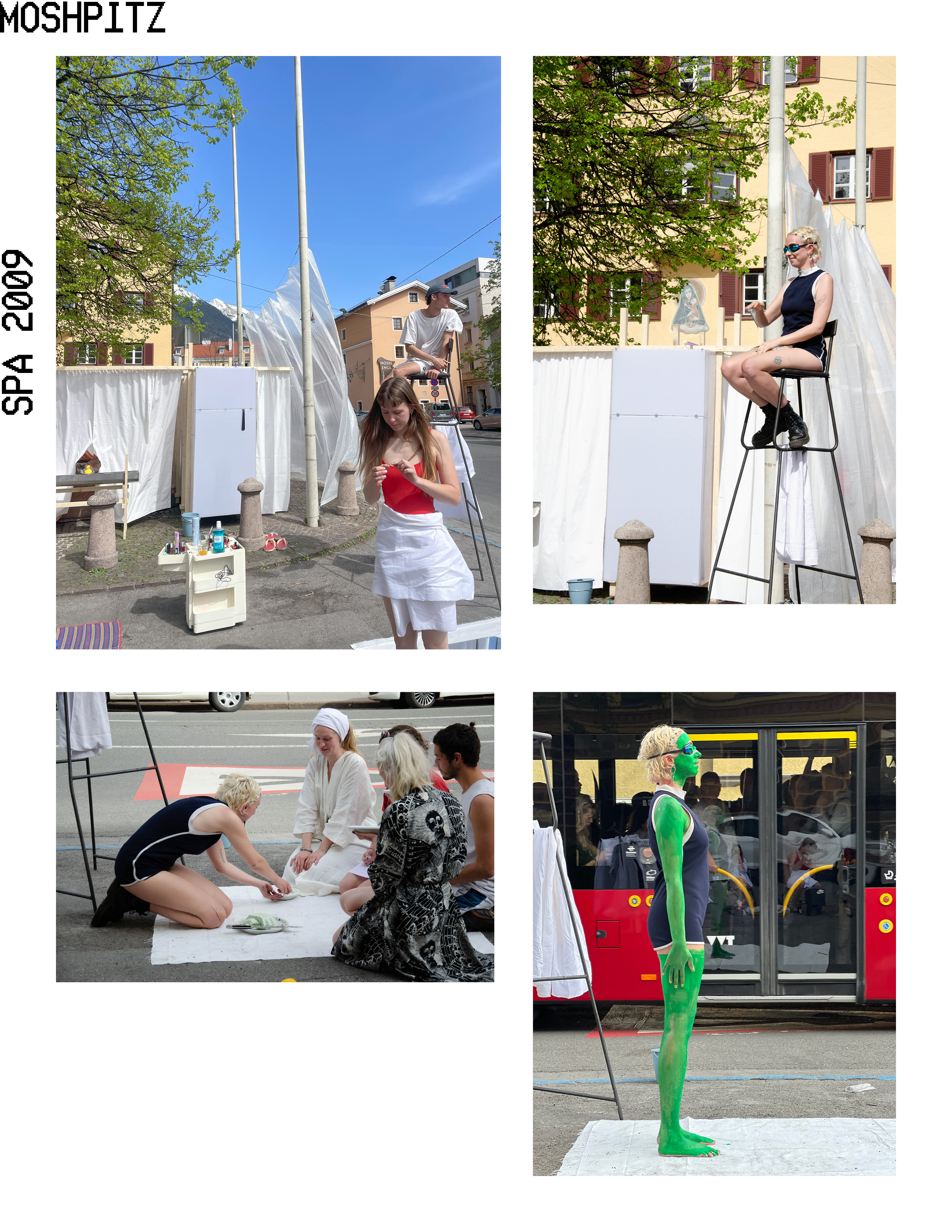
Performative stagings, exaggerations, irritations, and moments of inappropriateness that disturb perception—these are understood as ways of engaging with the city as a network of relationships, a potpourri in which the urban texture provides room for pluralism, collective action, and mutual inspiration. This involves recognizing and accepting diversity—in perspectives, religions, cultures, and ways of life—and expressing these differences publicly. Through simple actions and everyday routines, shared experiences and distinctions become tangible, helping to dissolve barriers.
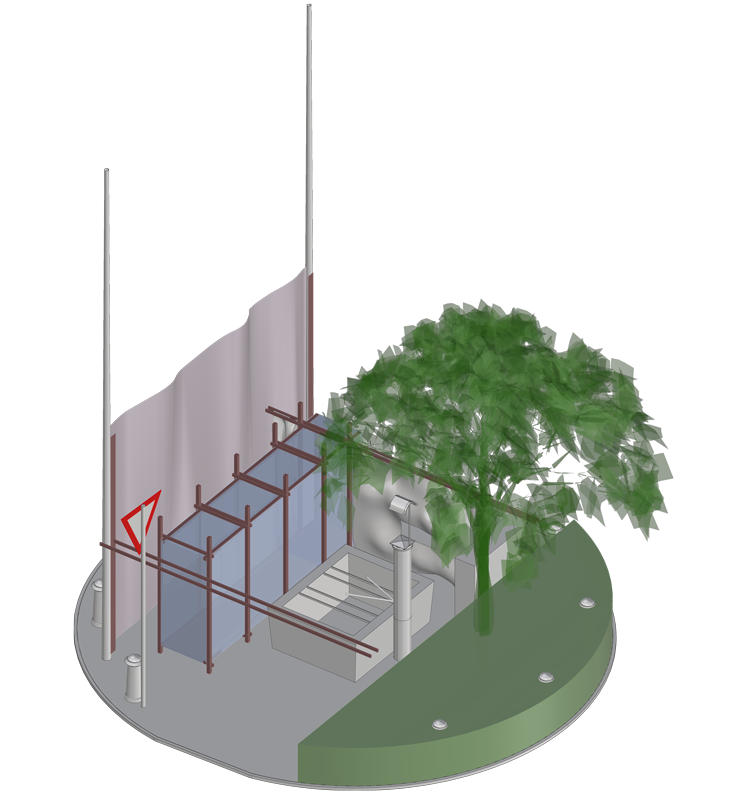
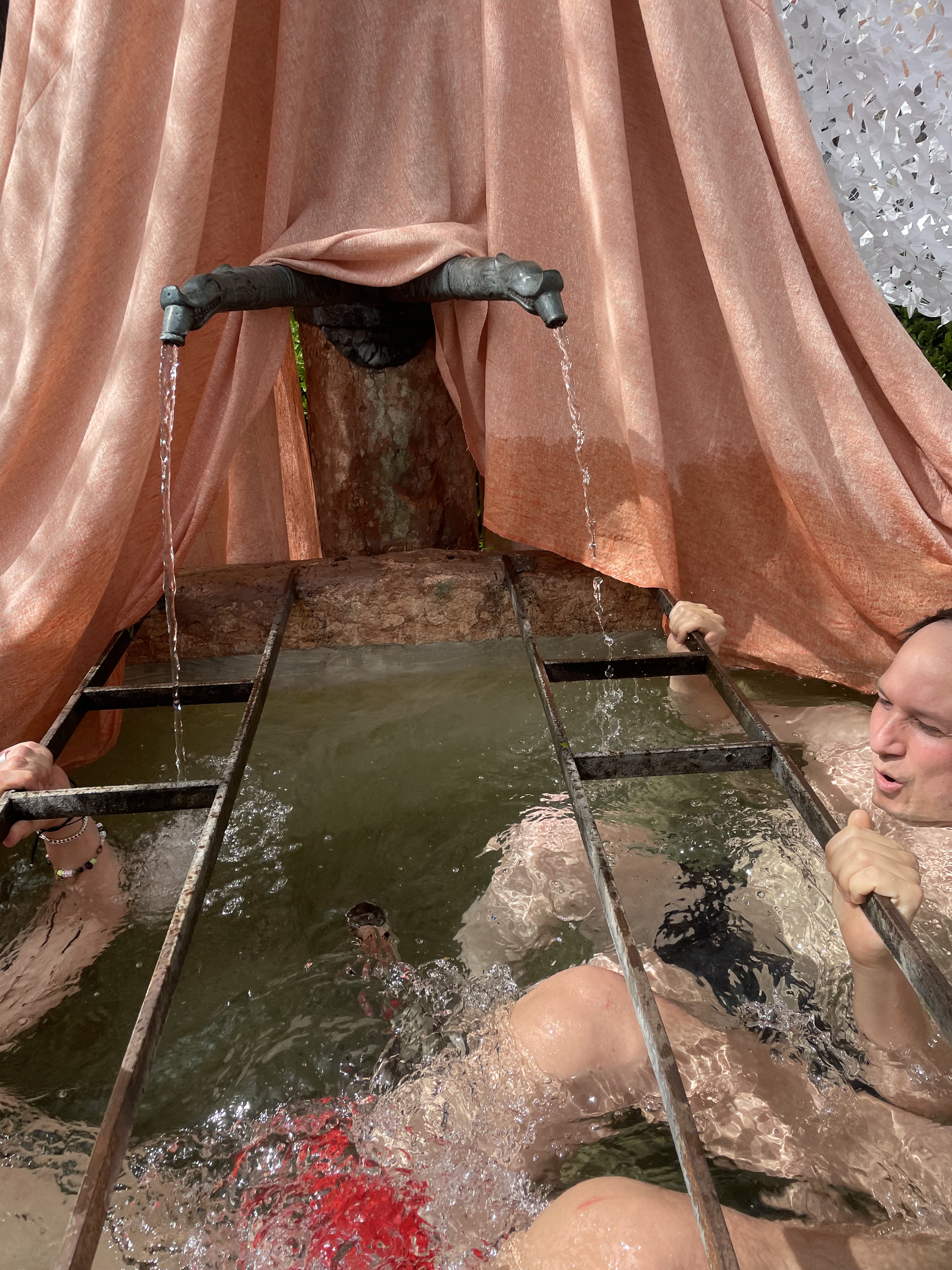
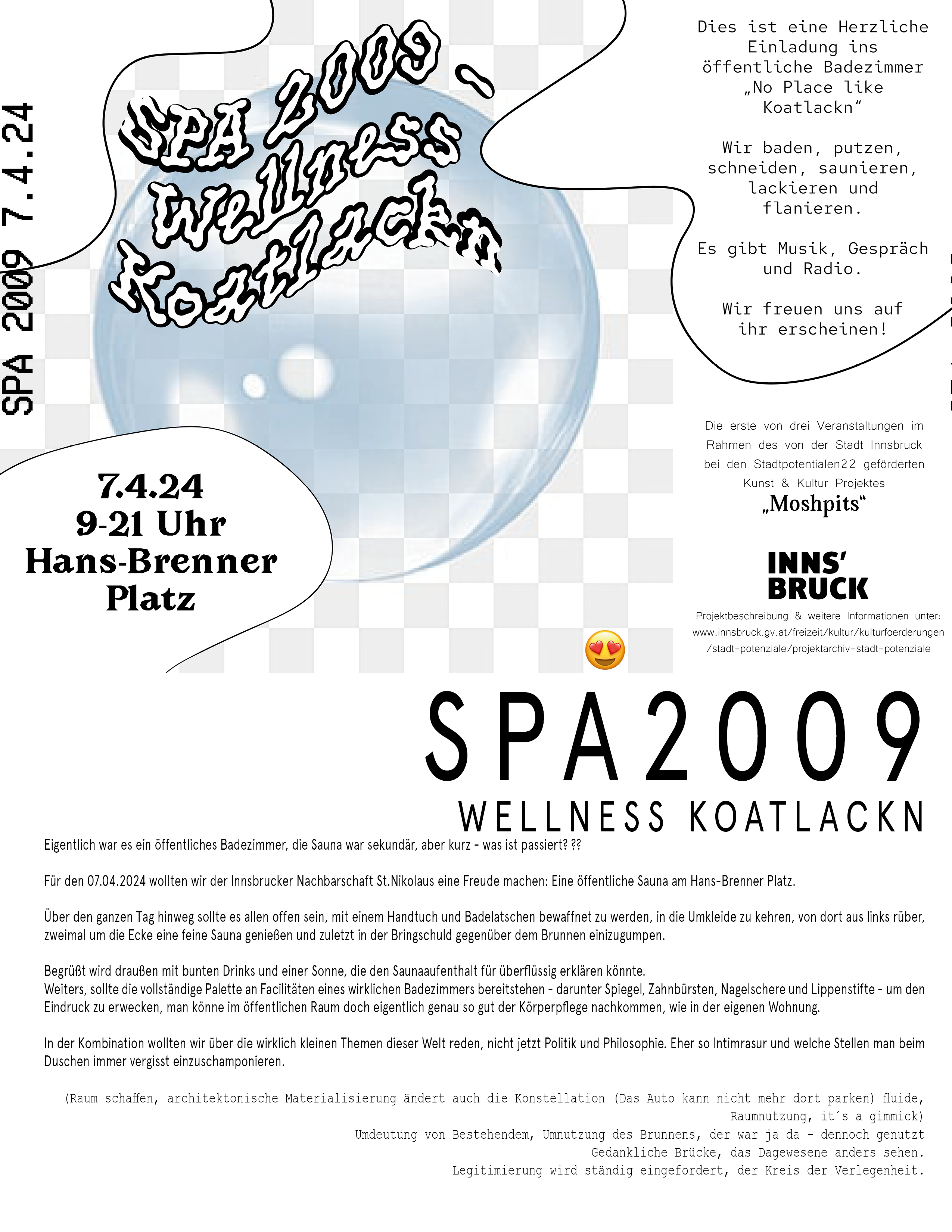
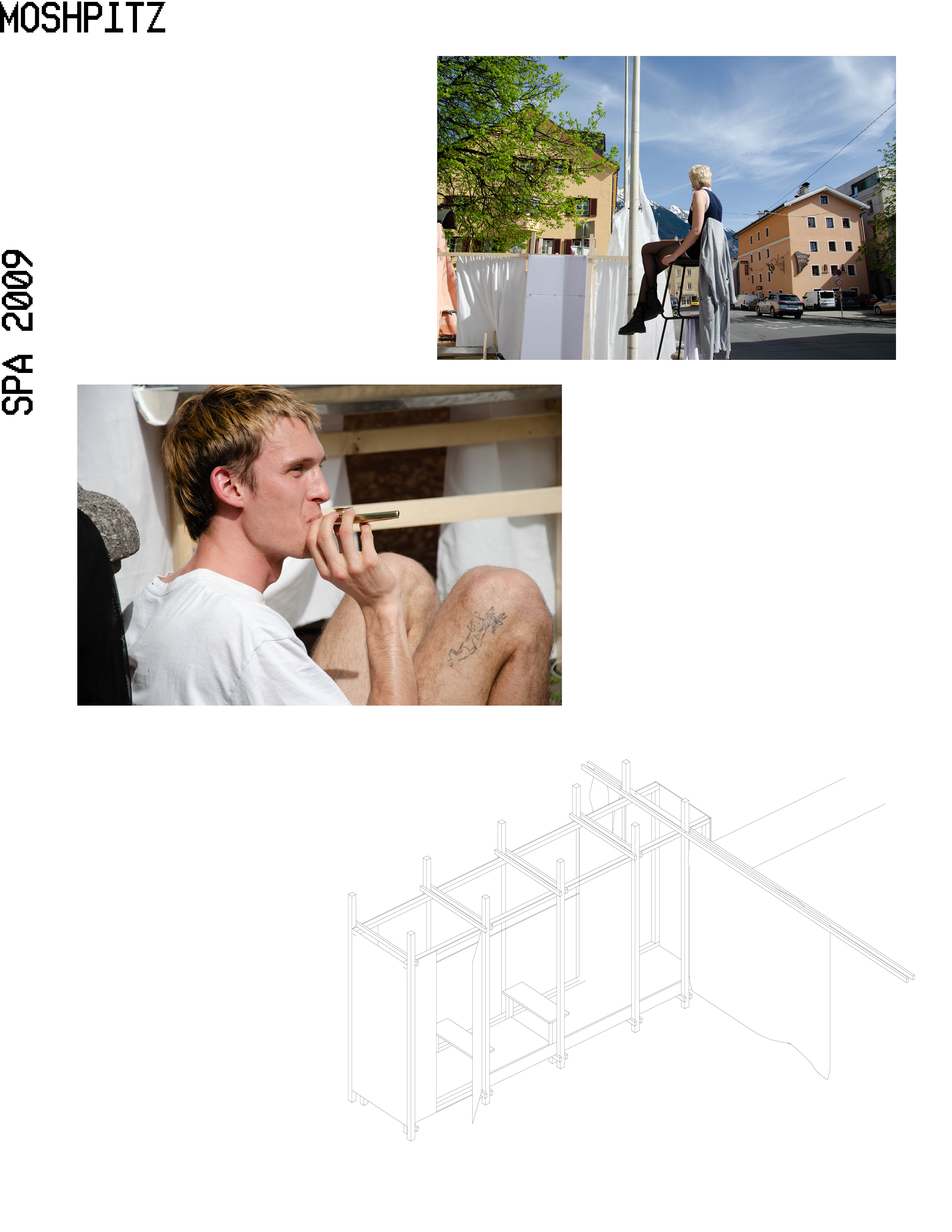
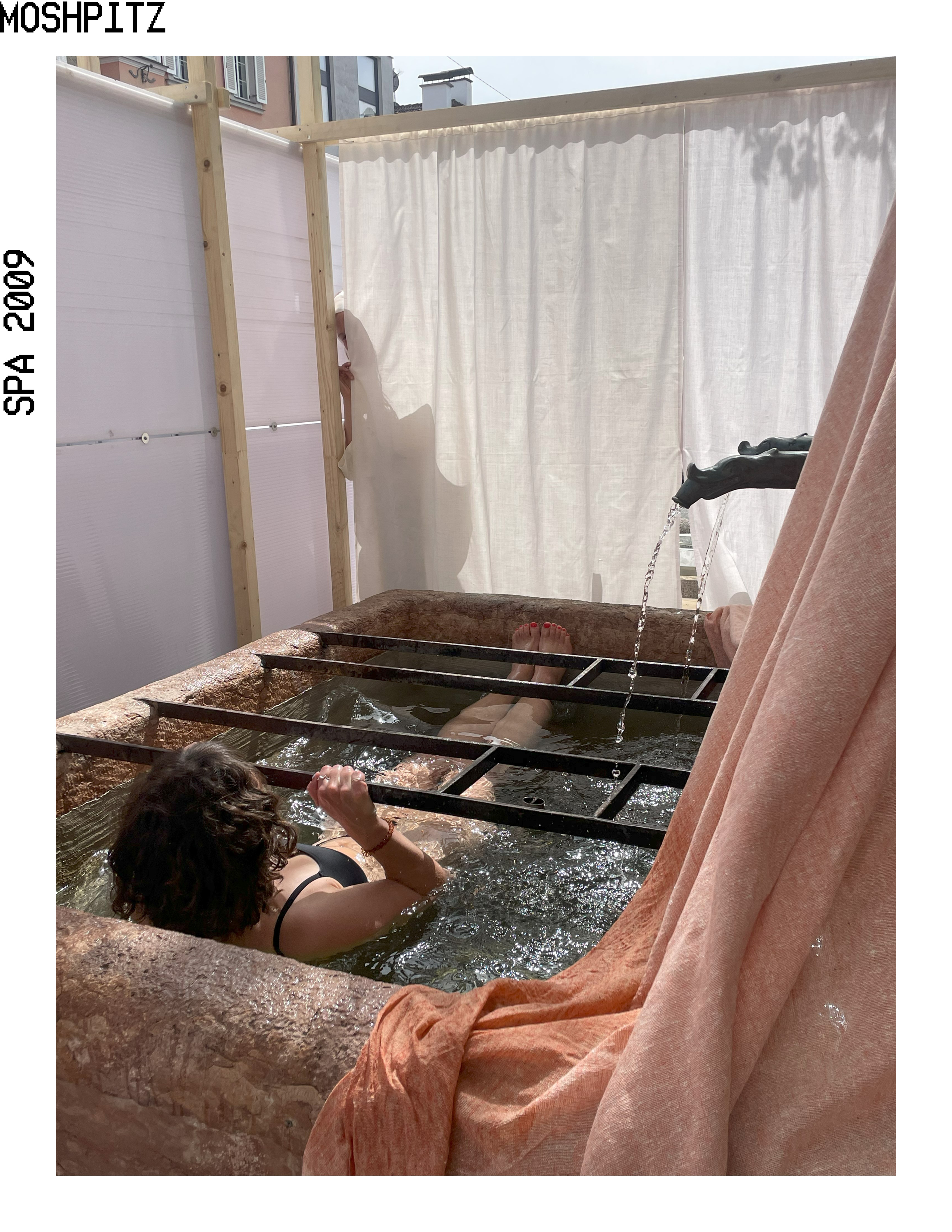
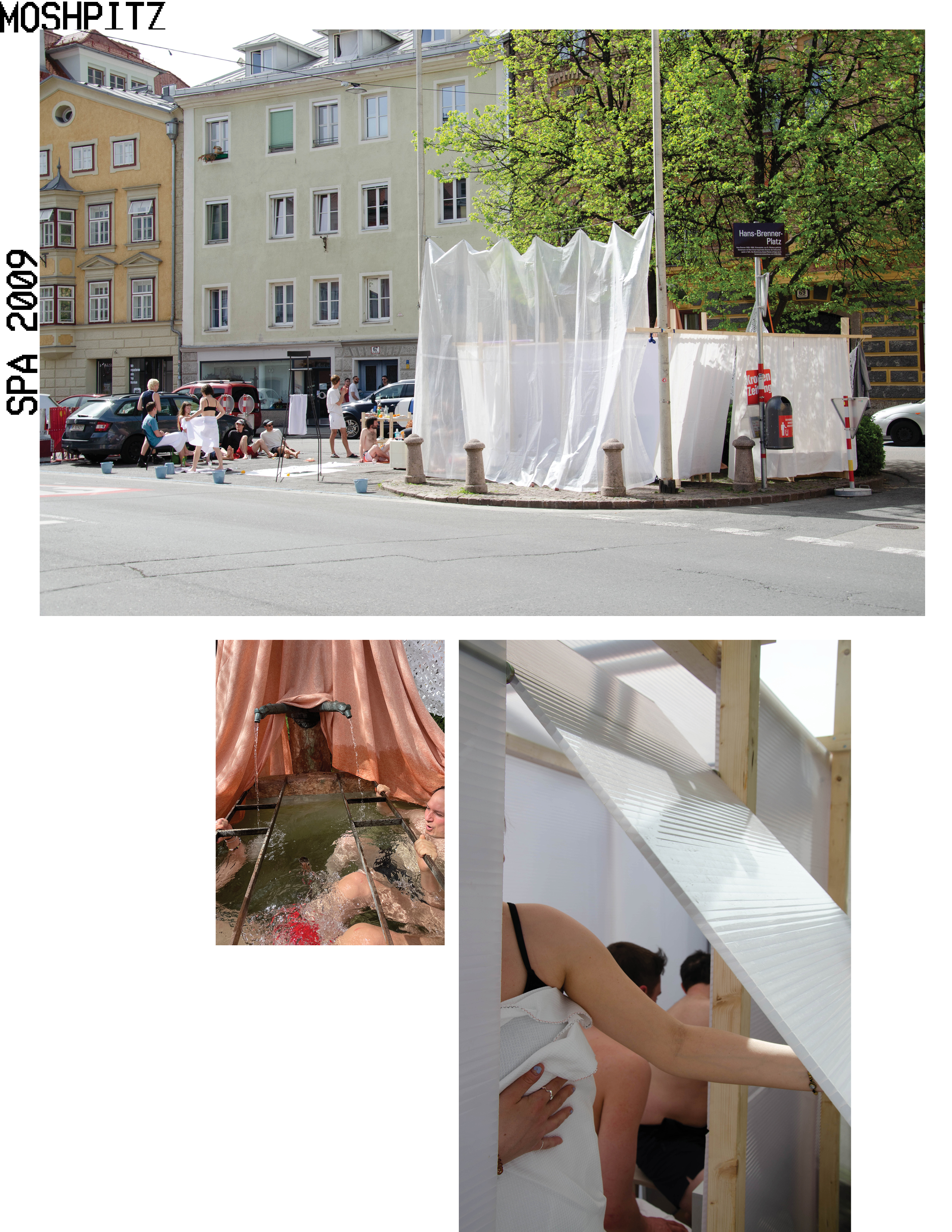
Sleeping, washing, cooking, eating—we want to do these things together. The built structure acts as a communicator between the city and its users. A bathroom by the fountain, the world’s largest bed by the riverside—the questions are global, the materialization hyperlocal. The performative staging of places and the friction of controversial activities make their public dimension visible.